
Signature Systems / Field note 01
WARNO.
Modern conflict is shaped by a continuous cycle of adaptation and counter-adaptation.
Read the field note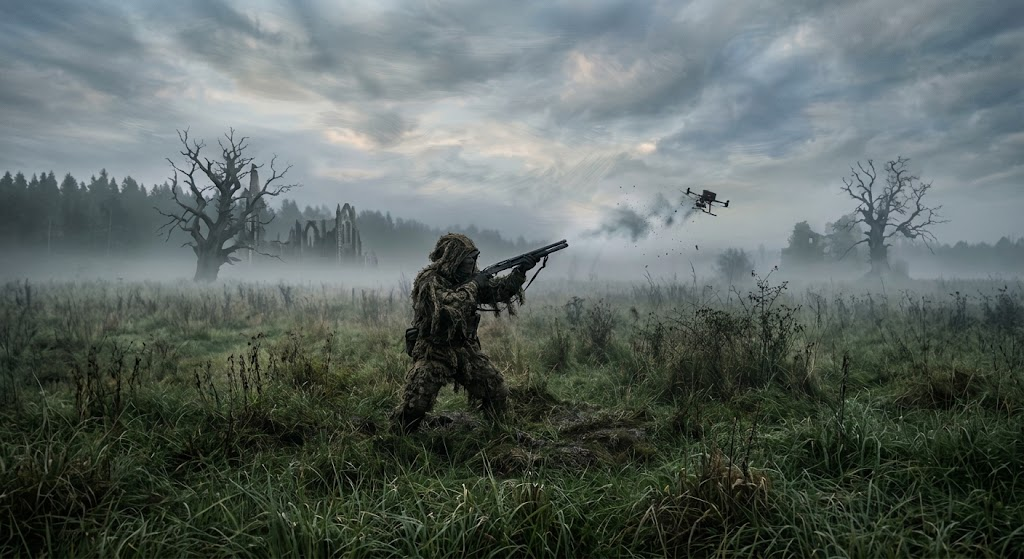
Every advantage invites a response.
When one side fields an effective capability, its adversary adapts to counter it. This cycle of action and response is a constant of warfare—and its pace and consequences continue to accelerate.
A picture is never the whole picture.
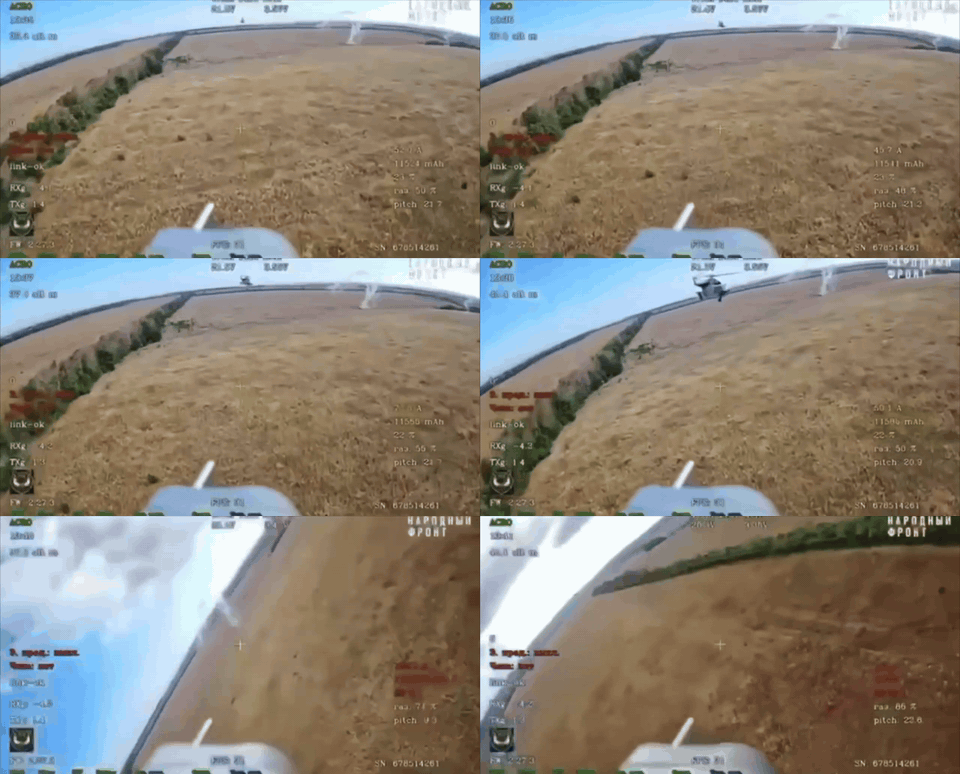
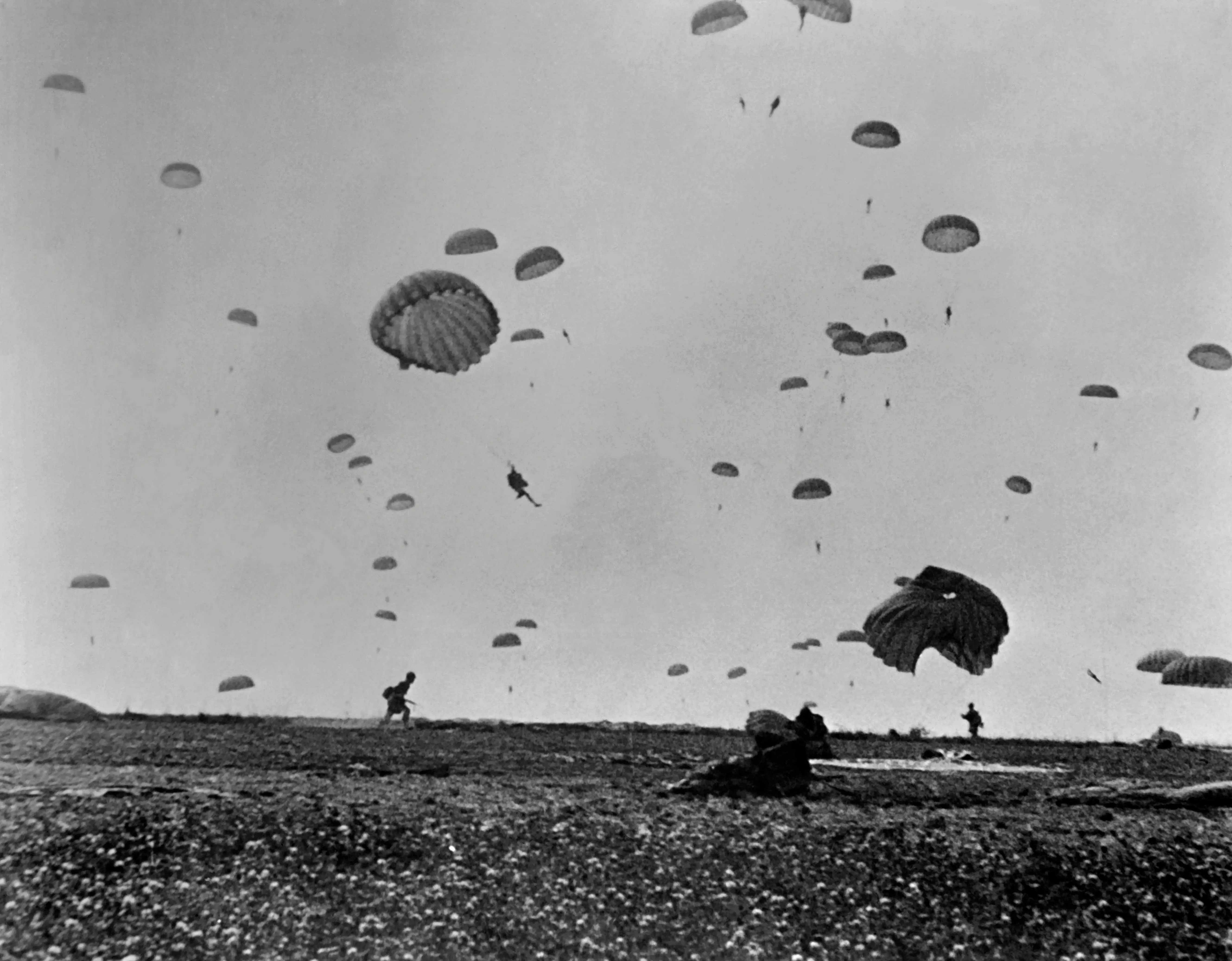
From the airborne decoys of World War II to today's media environment, imagery without context can mislead. The same photograph or video can support competing narratives, shaping how audiences interpret events—often without their awareness.
The world is watching from everywhere.
The modern battlespace is increasingly sensor-dense. Uncrewed aircraft, satellites, and even everyday devices collect imagery at scale. Analysts must turn that volume into actionable intelligence, but human review capacity is finite.
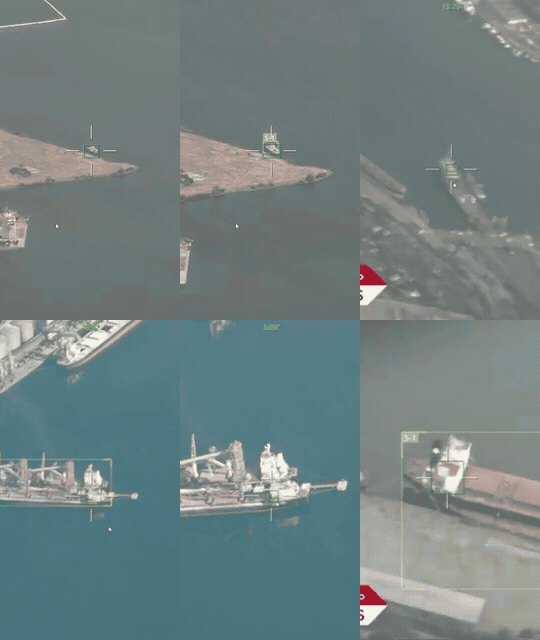
Computer vision is reshaping military operations.
Adversaries can apply computer vision to support intelligence analysis, force planning, target recognition, battle-damage assessment, autonomous platforms, and navigation in GPS-denied environments.
What if we could change what the enemy's computer vision perceives?
What if an autonomous system detected a protected person or asset but classified it as non-threatening?
What if we could shape how a machine interprets the scene—helping protect personnel and preserve freedom of action on an increasingly transparent battlefield?
What if an adversary's commanders acted on an inaccurate operational picture because their systems misinterpreted what they observed?
At Signature Systems… we can.
We believe countering computer-vision-enabled threats will become an essential element of force protection for U.S. and allied forces. Commercial hardware, open-source software, and additive manufacturing are lowering barriers to adoption. Capabilities once limited to well-resourced actors are becoming more accessible, while established militaries can field them at greater scale.
Deception techniques developed for the 2010s alone will not address the threats of the 2030s. As adversary capabilities evolve, force protection must evolve with them. Maintaining operational advantage requires adapting faster—and across every domain.